There’s a better way to lose weight. These dieting tips can help you avoid diet pitfalls and achieve lasting weight-loss success.
1. Trying intermittent fasting
Several research-backed strategies can aid weight loss, one of which is intermittent fasting (IF).
Intermittent fasting (IF) is a pattern of eating that involves regular short-term fasts and consuming meals within a shorter time period during the day.
Several studies have indicated that short-term intermittent fasting, which is up to 24 weeks in duration, leads to weight loss in overweight individuals.
The most common intermittent fasting methods include the following:
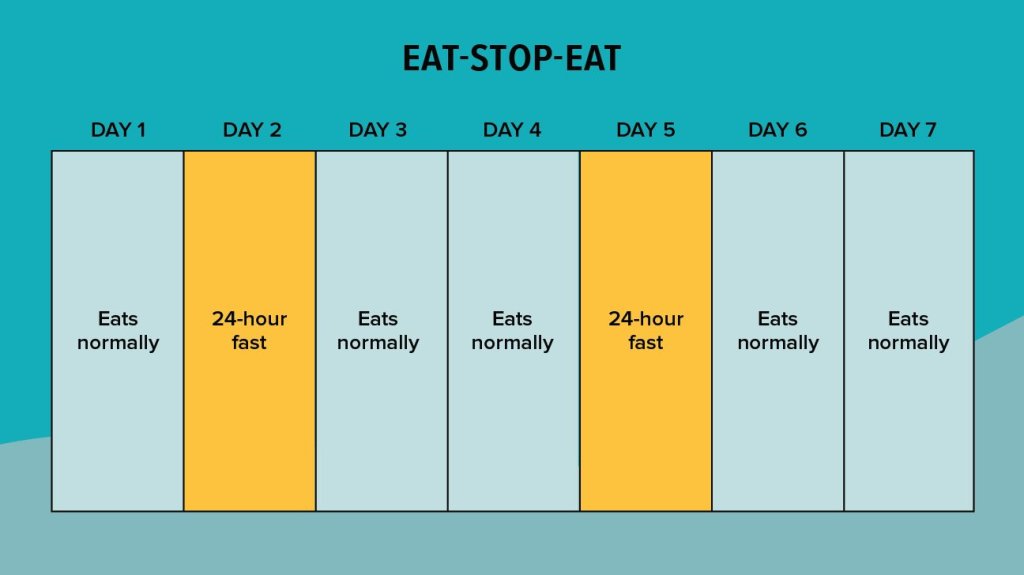
Alternate day fasting (ADF): Fast every other day and eat normally on non-fasting days. The modified version involves eating just 25–30 percent of the body’s energy needs on fasting days.
The 5:2 Diet: Fast on 2 out of every 7 days. On fasting days eat 500–600 calories.
The 16/8 method: Fast for 16 hours and eat only during an 8-hour window. For most people, the 8-hour window would be around noon to 8 p.m. A study on this method found that eating during a restricted period resulted in the participants consuming fewer calories and losing weight.
It is best to adopt a healthy eating pattern on non-fasting days and to avoid over-eating.
2.Eating mindfully
Mindful eating is a practice where people pay attention to how and where they eat food. This practice can enable people to enjoy the food they eat and maintain a healthy weight.
As most people lead busy lives, they often tend to eat quickly on the run, in the car, working at their desks, and watching TV. As a result, many people are barely aware of the food they are eating.
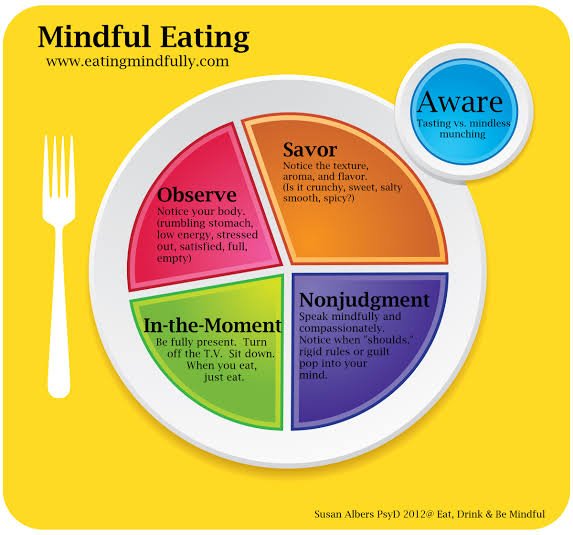
Techniques for mindful eating include:
Sitting down to eat, preferably at a table: Pay attention to the food and enjoy the experience.
Avoiding distractions while eating: Do not turn on the TV, or a laptop or phone.
Eating slowly: Take time to chew and savor the food. This technique helps with weight loss, as it gives a person’s brain enough time to recognize the signals that they are full, which can help to prevent over-eating.
Making considered food choices: Choose foods that are full of nourishing nutrients and those that will satisfy for hours rather than minutes.
3.Cutting back on sugar and refined carbohydrates
It can help to swap high-sugar snacks for fruits and nuts.
The Western diet is increasingly high in added sugars, and this has definite links to obesity, even when the sugar occurs in beverages rather than food.
Refined carbohydrates are heavily processed foods that no longer contain fiber and other nutrients. These include white rice, bread, and pasta.
These foods are quick to digest, and they convert to glucose rapidly.
Excess glucose enters the blood and provokes the hormone insulin, which promotes fat storage in the adipose tissue. This contributes to weight gain.
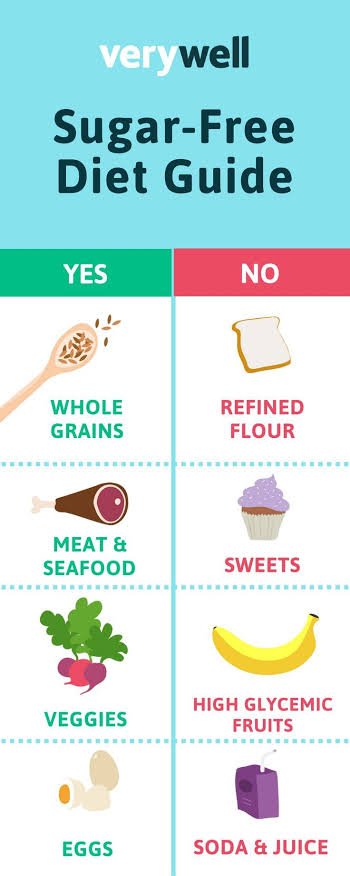
Where possible, people should swap processed and sugary foods for more healthful options. Good food swaps include:
whole-grain rice, bread, and pasta instead of the white versions
fruit, nuts, and seeds instead of high-sugar snacks
herb teas and fruit-infused water instead of high-sugar sodas
smoothies with water or milk instead of fruit juice
4.Tracking your diet and exercise If someone wants to lose weight, they should be aware of everything that they eat and drink each day. The most effective way to do this is to log every item that they consume, in either a journal or an online food tracker.
Researchers estimated in 2017 that there would be 3.7 billion health app downloads by the end of the year. Of these, apps for diet, physical activity, and weight loss were among the most popular. This is not without reason, as tracking physical activity and weight loss progress on-the-go can be an effective way of managing weight.
One study found that consistent tracking of physical activity helped with weight loss. Meanwhile, a review study found a positive correlation between weight loss and the frequency of monitoring food intake and exercise. Even a device as simple as a pedometer can be a useful weight-loss tool.

5.Eating protein for breakfast
Protein can regulate appetite hormones to help people feel full. This is mostly due to a decrease in the hunger hormone ghrelin and a rise in the satiety hormones peptide YY, GLP-1, and cholecystokinin.
Research on young adults has also demonstrated that the hormonal effects of eating a high-protein breakfast can last for several hours.
Good choices for a high-protein breakfast include eggs, oats, nut and seed butters, quinoa porridge, sardines, and chia seed pudding.

6.Eating plenty of fiber
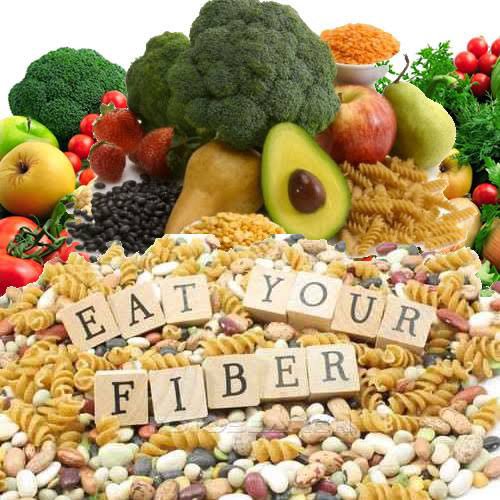
Dietary fiber describes plant-based carbohydrates that it is not possible to digest in the small intestine, unlike sugar and starch. Including plenty of fiber in the diet can increase the feeling of fullness, potentially leading to weight loss.
Fiber-rich foods include:
whole-grain breakfast cereals, whole-wheat pasta, whole-grain bread, oats, barley, and rye
fruit and vegetables
peas, beans, and pulses
nuts and seeds
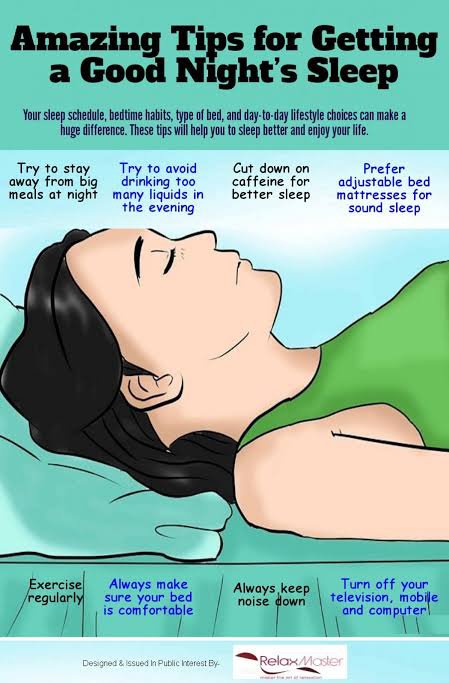
7.Getting a good night’s sleep
Numerous studies have shown that getting less than 5–6 hours of sleep per night is associated with increased incidence of obesity. There are several reasons behind this.
Research suggests that insufficient or poor-quality sleep slows down the process in which the body converts calories to energy, called metabolism. When metabolism is less effective, the body may store unused energy as fat. In addition, poor sleep can increase the production of insulin and cortisol, which also prompt fat storage.
How long someone sleeps also affects the regulation of the appetite-controlling hormones leptin and ghrelin. Leptin sends signals of fullness to the brain
8.Balancing gut bacteria
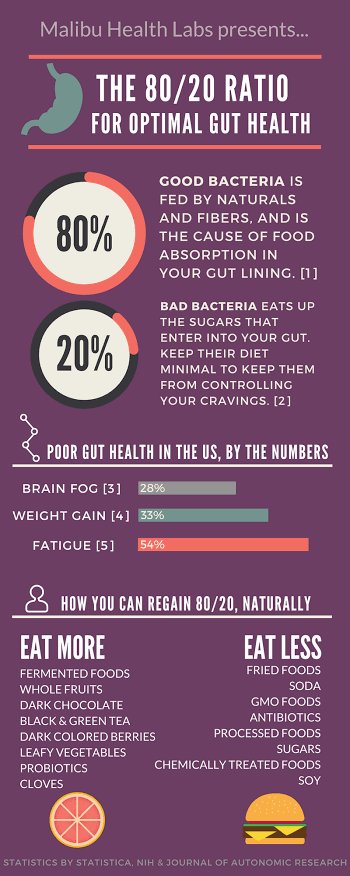
One emerging area of research is focusing on the role of bacteria in the gut on weight management.
The human gut hosts a vast number and variety of microorganisms, including around 37 trillion bacteria.
Every individual has different varieties and amounts of bacteria in their gut. Some types can increase the amount of energy that the person harvests from food, leading to fat deposition and weight gain.
Some foods can increase the number of good bacteria in the gut, including:
A wide variety of plants: Increasing the number of fruits, vegetables, and grains in the diet will result in an increased fiber uptake and a more diverse set of gut bacteria. People should try to ensure that vegetables and other plant-based foods comprise 75 percent of their meal.
Fermented foods: These enhance the function of good bacteria while inhibiting the growth of bad bacteria. Sauerkraut, kimchi, kefir, yogurt, tempeh, and miso all contain good amounts of probiotics, which help to increase good bacteria. Researchers have studied kimchi widely, and study results suggest that it has anti-obesity effects. Similarly, studies have shown that kefir may help to promote weight loss in overweight women.
Prebiotic foods: These stimulate the growth and activity of some of the good bacteria that aid weight control. Prebiotic fiber occurs in many fruits and vegetables, especially chicory root, artichoke, onion, garlic, asparagus, leeks, banana, and avocado. It is also in grains, such as oats and barley.
9.Managing your stress levels
Outdoor activities can help with stress management.
Stress triggers the release of hormones such as adrenaline and cortisol, which initially decrease the appetite as part of the body’s fight or flight response.
However, when people are under constant stress, cortisol can remain in the bloodstream for longer, which will increase their appetite and potentially lead to them eating more.
Cortisol signals the need to replenish the body’s nutritional stores from the preferred source of fuel, which is carbohydrate.
Insulin then transports the sugar from carbohydrates from the blood to the muscles and brain. If the individual does not use this sugar in fight or flight, the body will store it as fat.
Researchers found that implementing an 8-week stress-management intervention program resulted in significant reduction in the body mass index (BMI) of overweight and obese children and adolescents.
Some methods of managing stress include:
yoga, meditation, or tai chi
breathing and relaxation techniques
spending some time outdoors, for example walking or gardening

10.Lift weights three times per week
You don’t need> to exercise to lose weight on this plan, but it will have extra benefits.
By lifting weights, you will burn lots of calories and prevent your metabolism from slowing down, which is a common side effect of losing weight
Studies on low carb diets show that you can gain a bit of muscle while losing significant amounts of body fat
Try going to the gym three to four times a week to lift weights. If you’re new to the gym, ask a trainer for some advice.
If lifting weights is not an option for you, doing some cardio workouts like walking, jogging, running, cycling, or swimming will suffice. Both cardio and weightlifting can help with weight loss.

How fast will you lose weight?
You may lose 5–10 pounds (2.3–4.5 kg) of weight — sometimes more — in the first week of the diet plan, and then lose weight consistently after that.
If you’re new to dieting, weight loss may happen more quickly. The more weight you have to lose, the faster you will lose it.
For the first few days, you might feel a bit strange. Your body is used to running off carbs, and it can take time for it to get used to burning fat instead.
Some people experience the “keto flu,” or “low carb flu.” It’s usually over within a few days.
After the first few days, most people report feeling very good, with even more energy than before.
Aside from weight loss, the low carb diet can improve your health in many ways:
blood sugar levels tend to significantly decrease on low carb diets
triglycerides tend to go down
LDL (bad) cholesterol goes down
HDL (good) cholesterol tgoes up
blood pressure improves significantly
low carb diets can be as easy to follow as low fat diets
Remember: while there’s no easy fix to losing weight, there are plenty of steps you can take to develop a healthier relationship with food, curb emotional triggers to overeating, and achieve a healthy weight.
 healthytipss